
It’s Not Just an Accounting Problem
Most SaaS founders think of revenue recognition as a finance team issue. Something to sort out before an audit or a fundraise. It is actually a leadership problem, and the cost of getting it wrong shows up long before anyone from the outside ever asks.
When revenue is recognized incorrectly, the numbers leadership relies on every day are wrong. Decisions get made on a distorted picture. And by the time the gap becomes visible, it is usually harder and more expensive to fix.
What ASC 606 Actually Requires
ASC 606 is the accounting standard that governs how and when SaaS companies can recognize revenue. The core idea is straightforward: revenue should be recognized when a performance obligation is satisfied, meaning when the service has actually been delivered, not simply when cash is collected.
For a SaaS company, that usually means spreading subscription revenue across the contract period rather than booking it all when the deal closes or the invoice goes out.
Consider a customer who signs a $60,000 annual contract in January and pays upfront. Under ASC 606, you can recognize $5,000 per month as you deliver the service, not $60,000 in January. That distinction matters more than most founders realize.
The Deferred Revenue Trap
When that $60,000 hits your bank account in January, it feels like revenue. It shows up as cash. But until the service is delivered, it is a liability and an obligation you owe the customer.
Companies that do not track deferred revenue properly end up overstating their current performance. The income statement looks stronger than it is. Margins appear healthier. Leadership makes hiring, spending, and investment decisions based on numbers that do not reflect reality.
When a correction eventually happens, whether driven by an audit, a fundraise, or simply getting the books in order, the adjustment can be significant. Revenue that was already celebrated gets moved to future periods. Profitability metrics shift. Investor conversations get complicated.
What It Costs You in a Fundraise
Venture investors and PE firms do serious diligence on revenue quality. One of the first things they look at is whether revenue recognition is clean and consistent with GAAP.
If your books show $4M ARR but a portion of that was recognized early, the adjusted number comes out lower. That affects your valuation. It can delay the close. In some cases it raises broader questions about the reliability of your financial reporting, which is a much harder conversation to walk back from.
Founders who have been through this process describe it as one of the more stressful surprises they encountered. The fix itself was not complicated. But discovering it mid-process with a term sheet on the table is not the time you want to be restating revenue.
Common Mistakes That Cause This
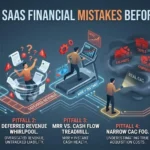
• Recognizing annual or multi-year contract revenue all at once at signing
• Failing to separate implementation fees from subscription revenue
• Not accounting for contract modifications, upgrades, or downgrades mid-period
• Treating renewals as new contracts without reviewing the original terms
• Using cash-basis reporting for decisions that require accrual-basis accuracy
When to Get This Right
The honest answer is earlier than you think.
Most early-stage SaaS companies are running on cash-basis books. That works for a while. But once you are closing annual contracts, managing a meaningful customer base, or starting to think about raising capital, getting revenue recognition right becomes urgent. Not someday urgent. Now urgent.
The cost of fixing it proactively is a fraction of the cost of fixing it under pressure. A clean revenue recognition process also gives leadership better data day to day, not just cleaner books for diligence.
What Good Looks Like
Revenue recognition done well is not complicated. It just needs to be consistent and tied to how contracts are actually structured.
That means tracking deferred revenue properly, reviewing recognition schedules when contracts change, and making sure the people making decisions are looking at accrual-based numbers rather than cash collected.
For most growing SaaS companies, this is exactly the kind of work a fractional controller or CFO-level advisor handles. Building the process, getting the books in order, and making sure leadership has numbers they can actually rely on.
The Takeaway
Getting revenue recognition wrong is rarely intentional. It usually starts with a cash-basis system that made sense when the business was smaller and grows into a real problem as contracts get larger and more complex.
The companies that avoid the most pain are the ones that get ahead of it. Before a fundraise, before an audit, and before the gap between what the books say and what is actually true becomes too wide to close quietly.