
5 Essential Bookkeeping Tips for SaaS Companies
SaaS companies operate differently from traditional businesses. Recurring revenue, subscription billing, deferred revenue, and rapid scaling all create accounting challenges that require clean financial systems from the beginning. Without strong bookkeeping processes, growing SaaS companies can run into cash flow issues, inaccurate reporting, and compliance problems that slow growth.
Below are five practical bookkeeping strategies that help SaaS companies maintain accurate financial records, support decision making, and stay organized as they grow.
1. Understand Revenue Recognition Under ASC 606
Revenue recognition is one of the most important accounting areas for SaaS businesses. Subscription contracts, onboarding fees, implementation services, and multi year agreements often require revenue to be recognized over time rather than all at once.
SaaS companies should clearly identify performance obligations within customer contracts and properly track deferred revenue. Using accounting systems that support recurring billing and revenue schedules helps reduce manual errors and keeps financial reporting accurate.
2. Reconcile Payment Platforms Regularly
Many SaaS companies process payments through platforms such as Stripe, PayPal, or other subscription billing systems. These deposits rarely match bank activity one to one due to processing fees, timing delays, refunds, and failed payments.
Payment platforms should be reconciled regularly to ensure deposits, fees, and customer payments are recorded correctly. Clean reconciliations help maintain accurate revenue reporting and simplify month end close.
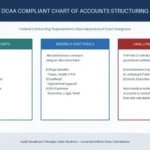
3. Maintain a Structured Chart of Accounts
A standardized chart of accounts helps SaaS companies track expenses consistently and produce reliable financial reports. Expense categories should be organized in a way that supports operational visibility and management reporting.
For example, software subscriptions, cloud hosting, contractor costs, payroll, and marketing expenses should be tracked separately to help leadership understand spending patterns and profitability.
4. Perform Monthly Financial Reviews
Monthly financial reviews help identify issues before they become larger problems. Income statements, balance sheets, and cash flow reports should be reviewed consistently each month.
SaaS companies should monitor key metrics such as recurring revenue, churn, operating expenses, and cash flow trends. Regular reviews improve financial visibility and support better business decisions.
5. Build Scalable Financial Processes
As SaaS companies grow, financial processes need to grow with them. Manual spreadsheets and inconsistent workflows often create bottlenecks during periods of rapid expansion.
Implementing standardized close procedures, documenting processes, and integrating accounting systems with operational tools helps create a stronger financial foundation. Scalable processes improve accuracy, support audits, and reduce operational risk.
Final Thoughts
Strong bookkeeping is not just about compliance. It gives SaaS companies clearer visibility into financial performance and supports smarter operational decisions. Accurate reporting, organized records, and consistent financial processes create a stronger foundation for sustainable growth.